Rock, Paper, Scissors Tournament
A fast, noisy energiser where every loser becomes the winner's cheering fan, until the whole room is split into two crowds roaring on the final.
The Facilitation Hub 2.0 is here! Over 30 new FREE workshop tools have been added!


Simple activities that need little preparation and work well for facilitators of any experience.
34 tools · page 2 of 3
A fast, noisy energiser where every loser becomes the winner's cheering fan, until the whole room is split into two crowds roaring on the final.

A quick closing round where everyone sums up how they feel, or what they're taking away, in a single word: an instant read of the room.
Pairs leave the room for a walking conversation around a question, then come back to share what came up. Fresh air and a change of scene do the rest.
Pairs talk for a few minutes about a prompt, then move on when the bell rings, so everyone meets lots of new people in a short, structured time.
A simple review where the group decides what to start doing, what to stop doing and what to keep, then agrees a few practical actions.
An icebreaker where each person shares two true facts and one lie about themselves, and the group guesses the lie. Works in pairs, groups or all together.
Small groups discuss a question at café-style tables, then move to new tables to build on earlier conversations before sharing key insights with everyone.
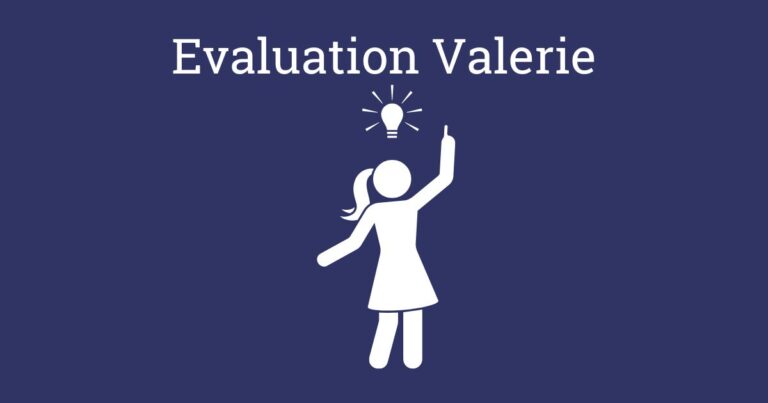
A visual evaluation tool where participants stick post-it notes on a drawn character, Valerie, to share what they loved, learned and would change.
Problem Solving & Decision Making
A quick way for groups to prioritize options by placing dots or tokens on their choices, with a weighted version that shows how strongly people feel.
A space on a whiteboard or flipchart where off-topic ideas and questions are parked on sticky notes, keeping discussion on track without losing them.
An opening activity where participants write their hopes and fears on post-it notes, so you can manage expectations and address worries from the start.
Problem Solving & Decision Making
Groups imagine the world's worst version of a service, such as a restaurant or website, then flip each flaw into a goal for designing a better one.